
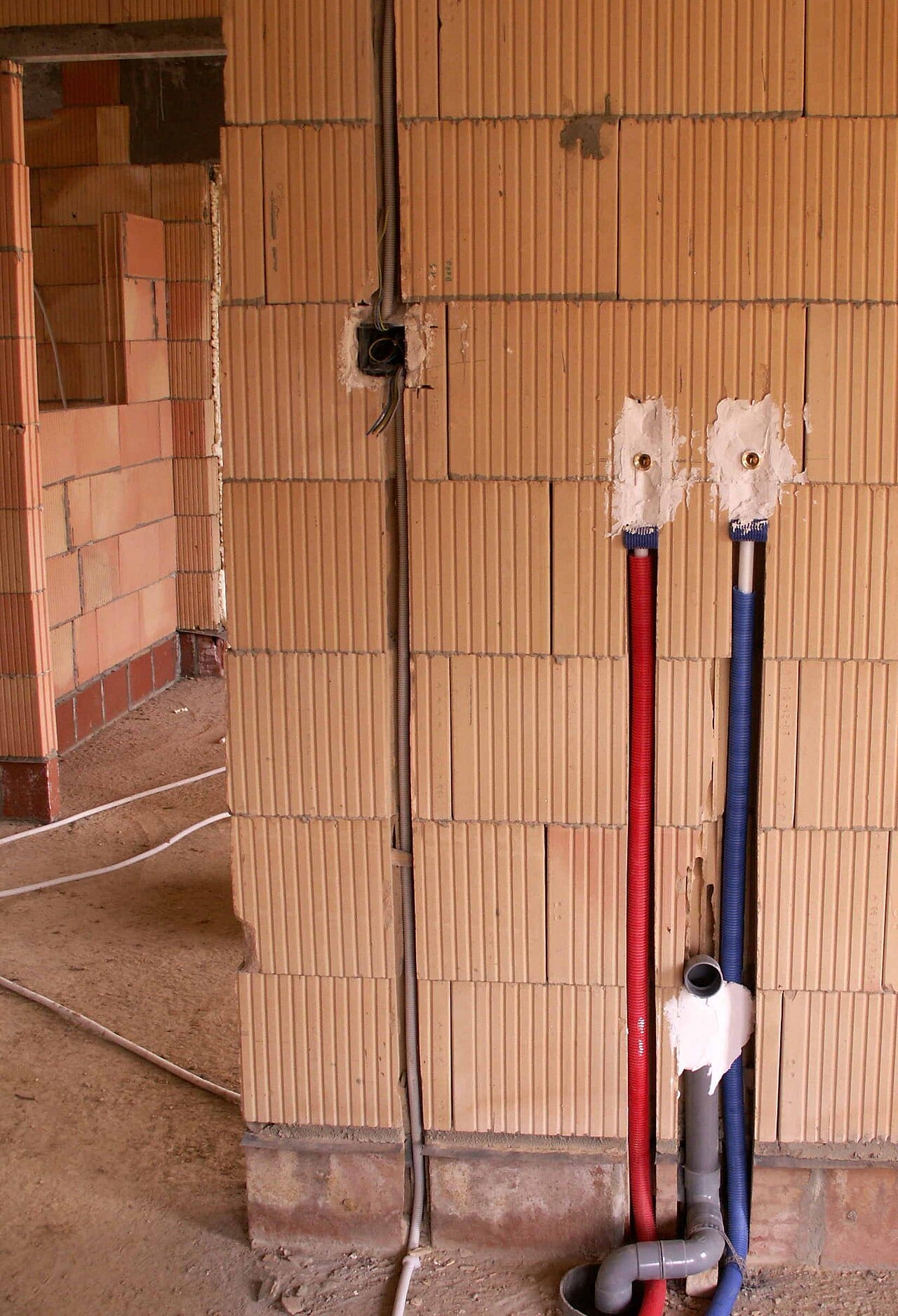
Confirm the supply boundary at the Seattle address
Give the supplier on your water bill and explain whether pressure changed at one fixture or throughout the building. Ask who will distinguish a utility-side concern from a private line problem. A proposed buried-line repair needs a located fault, access plan, permit responsibility and restoration scope before excavation.
Check the utility before planning a private repair
A Seattle postal address does not identify the water supplier. Use the current bill and the supplier’s official customer-service route to discuss a suspected meter or public-system issue. Do not operate utility equipment or assume the leak lies on the owner’s side.
Gather useful observations
Note the wet area, whether it persists without rainfall and whether indoor use was occurring. If a meter reading is safely accessible through the utility’s guidance, use it as one observation. Irrigation, fixtures and other connected uses may complicate the pattern; an assessor needs to distinguish them.
Questions to ask about private water-line assessment
- What findings support this repair rather than a different scope?
- Who will perform the work, and which Washington qualifications cover it?
- What visit charge, parts, testing, permits and restoration exclusions apply?
Does the quote include everything?
Ask about assessment charges, the proposed remedy, parts, testing and work excluded from the scope. Availability and charges depend on the answering business and actual property. Compare the supplied scopes and exclusions before choosing.
Official resources
- Seattle Public Utilities: troubleshooting a sewer problem ↗
- Seattle Public Utilities: taking care of your side sewer ↗
- Washington L&I plumber certification and scope ↗
- Washington L&I contractor verification ↗
- EPA WaterSense: finding household leaks ↗
Resources provide general preparation and official contacts. They do not establish provider coverage or endorsement.