
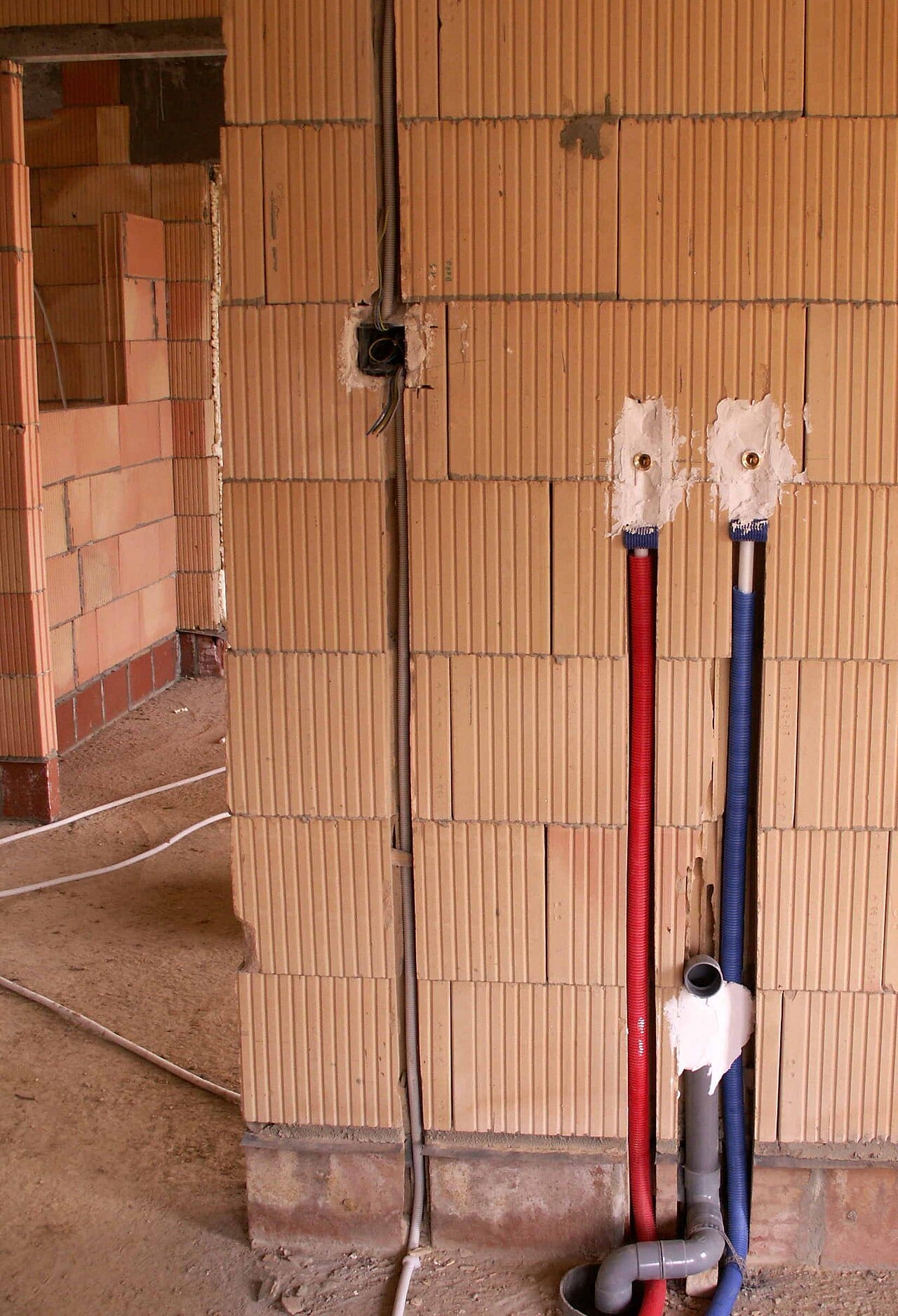
A repair decision before a whole-home project
Describe the active leak, accessible pipe material and which rooms are affected. Do not enter unsafe water or open walls to investigate. Compare a defined repair with the evidence for wider replacement, access and restoration costs. In multiunit buildings, establish the permitted work and occupant notices before a shared shutoff.
Treat escaping water and unsafe access separately
If a familiar household shutoff can be reached safely, follow its established operation; never force an unfamiliar valve. Stay clear of electricity and unsafe water. Arrange appropriate emergency help for immediate danger.
Repair one failure or address a wider pattern?
Ask the assessor to explain the failed component, adjacent pipe condition and any documented history of failures. A whole-home proposal should identify which lines it covers, how routes will be accessed and why a focused repair is insufficient.
When water is escaping, use the leak first-steps decision aid to separate safe observations from actions to leave to a professional.
Questions to ask about burst pipes & repiping decisions
- What findings support this repair rather than a different scope?
- Who will perform the work, and which Washington qualifications cover it?
- What visit charge, parts, testing, permits and restoration exclusions apply?
Does the quote include everything?
Ask about assessment charges, the proposed remedy, parts, testing and work excluded from the scope. Availability and charges depend on the answering business and actual property. Compare the supplied scopes and exclusions before choosing.
Official resources
- Seattle Public Utilities: troubleshooting a sewer problem ↗
- Seattle Public Utilities: taking care of your side sewer ↗
- Washington L&I plumber certification and scope ↗
- Washington L&I contractor verification ↗
- EPA WaterSense: finding household leaks ↗
Resources provide general preparation and official contacts. They do not establish provider coverage or endorsement.